Plant Disease Control
for trees, shrubs, ground cover and lawns
There are many types of diseases that affect your landscapes plants. To have a healthy, growing environment for your plants you must have:
- Good soil structure, drainage and texture
- Acceptable soil pH
- Sufficient water
- Acceptable temperature and light
- Sufficient space for expanding roots and crowns
- Clean air
- Relative freedom from pests and diseases
Significant fluctuations in one or more of these areas can result in poor plant health.
Kastle Kare provides the consultation to help diagnose the problems with your plants and suggest a treatment or routine treatment program that restores the plants back to health.
Here are some of the symptoms you may see that indicate a plant with a problem:
- Brown or scorched leaves
- Progressive dying of branches
- Leaf spots, blotches, blemishes, blisters or scabby spots
- Malformed leaves
- Yellow-green foliage
- Early leaf drop
- Wilting or drooping of foliage
- Tiny yellow speckling on leaves
- Yellow banding on needles
Here are some of the causes of plant disease:
- Fungi: these are the most common type of plant disease. Fungi cause many different symptoms such as leaf spots, wilts, curled leaves, dieback, enlargements or galls, stunted plants and dead plants. Fungal spores are spread by wind, water, soil movement, machinery, insects and anything else they come in contact with, including people.
- Viruses: Viruses are submicroscopic particles that infect plants and lead to stunting, discoloration, deformation, or death of leaves, stems, fruit or entire plants. Many viruses are spread by aphids, leafhoppers or other plant-feeding insects.
- Nematodes: These are tiny and usually microscopic roundworms that feed on a wide variety of organisms. Nematode species that damage plants may feed on or in roots, tubers, bulbs, leaves, or stems. With the exception of the pinewood nematode, which feeds inside branches and trunks, most species that are pests of ornamental plants feed on roots.
- Bacteria: These microscopic, one-celled organisms get their food from living plants or organic matter. Common symptoms of plant disease resulting from bacterial infection include shoot blight, leaf spots, soft roots, scabs, wilts, cankers and galls on branches, twigs, stems and roots. Bacteria are commonly spread by splashing water, or by moving plants, soil or equipment.
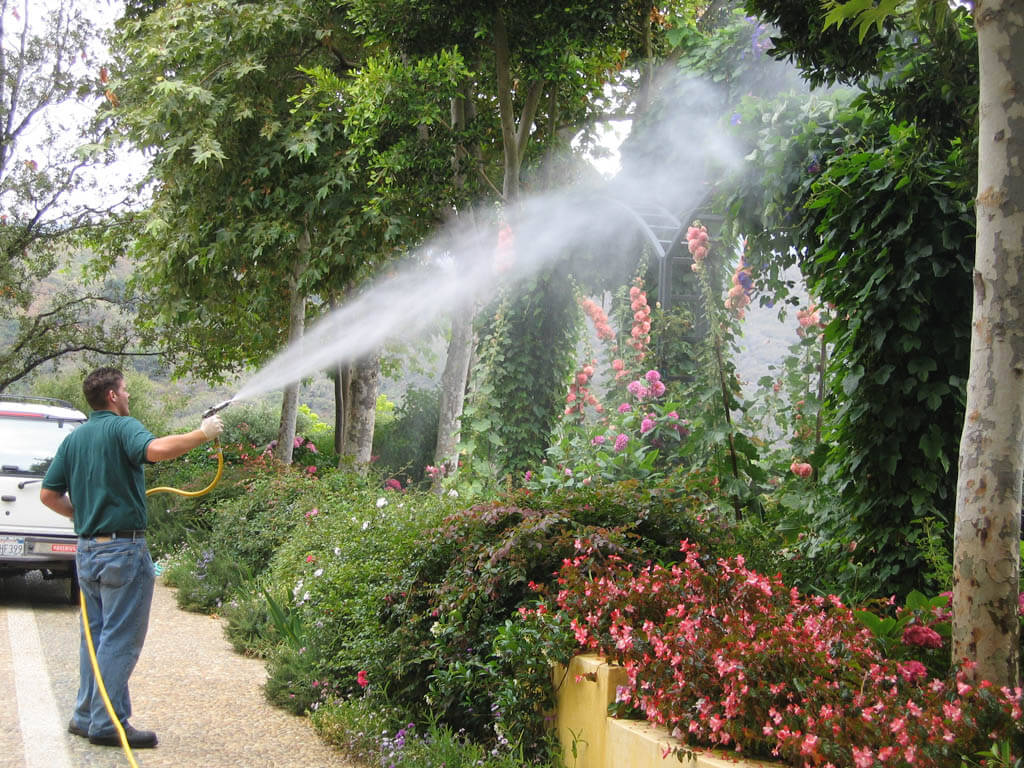
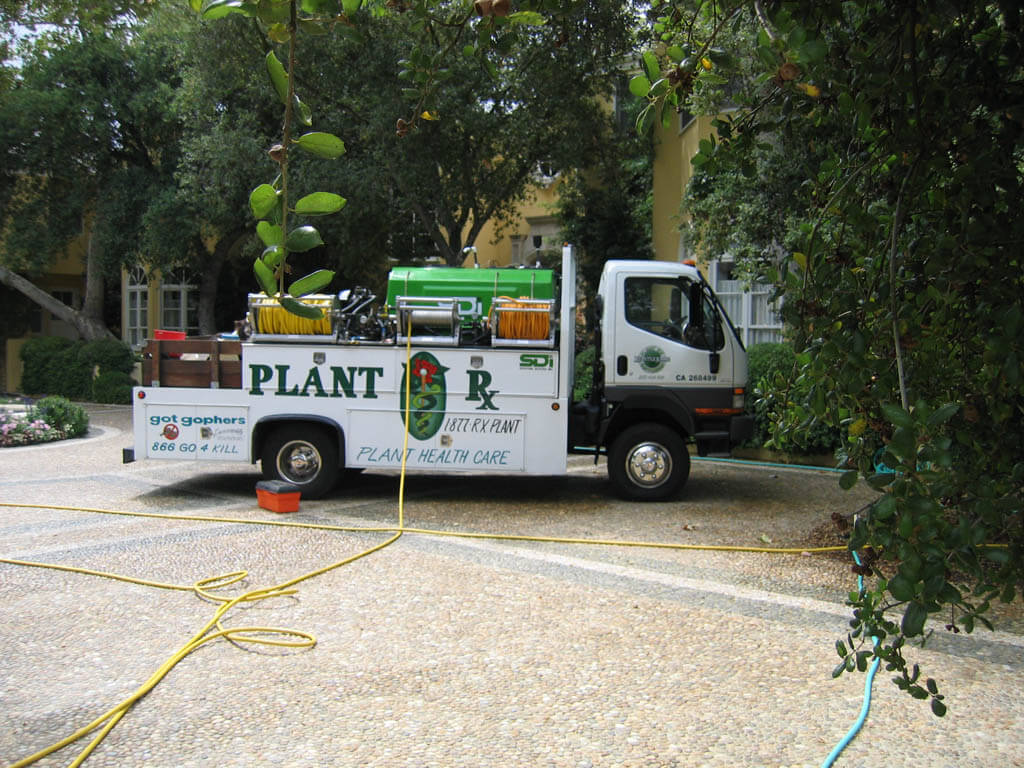
Plant Rx, a division of Kastle Kare provides the skill and professionalism to diagnose your plant’s problem. We visit your property to inspect your landscape to identify the problems that are causing the plant disease.
Once we have determined the cause, we suggest a treatment or treatment program that helps create a healthy plant environment.
It is important to have our skilled technician inspect your landscape at the first sign of problems because many diseases are infectious and may cause problems to your other plants.
Our consultations are very informative and helpful. Our staff is always courteous, friendly and knowledgeable. Because we are true professionals, we offer suggestions and treatment options, you make the decisions though.